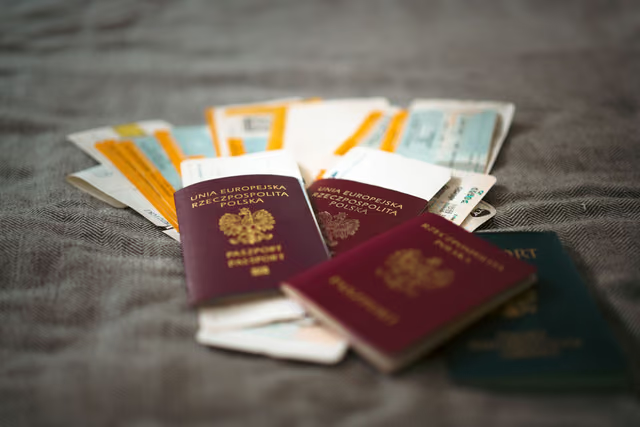



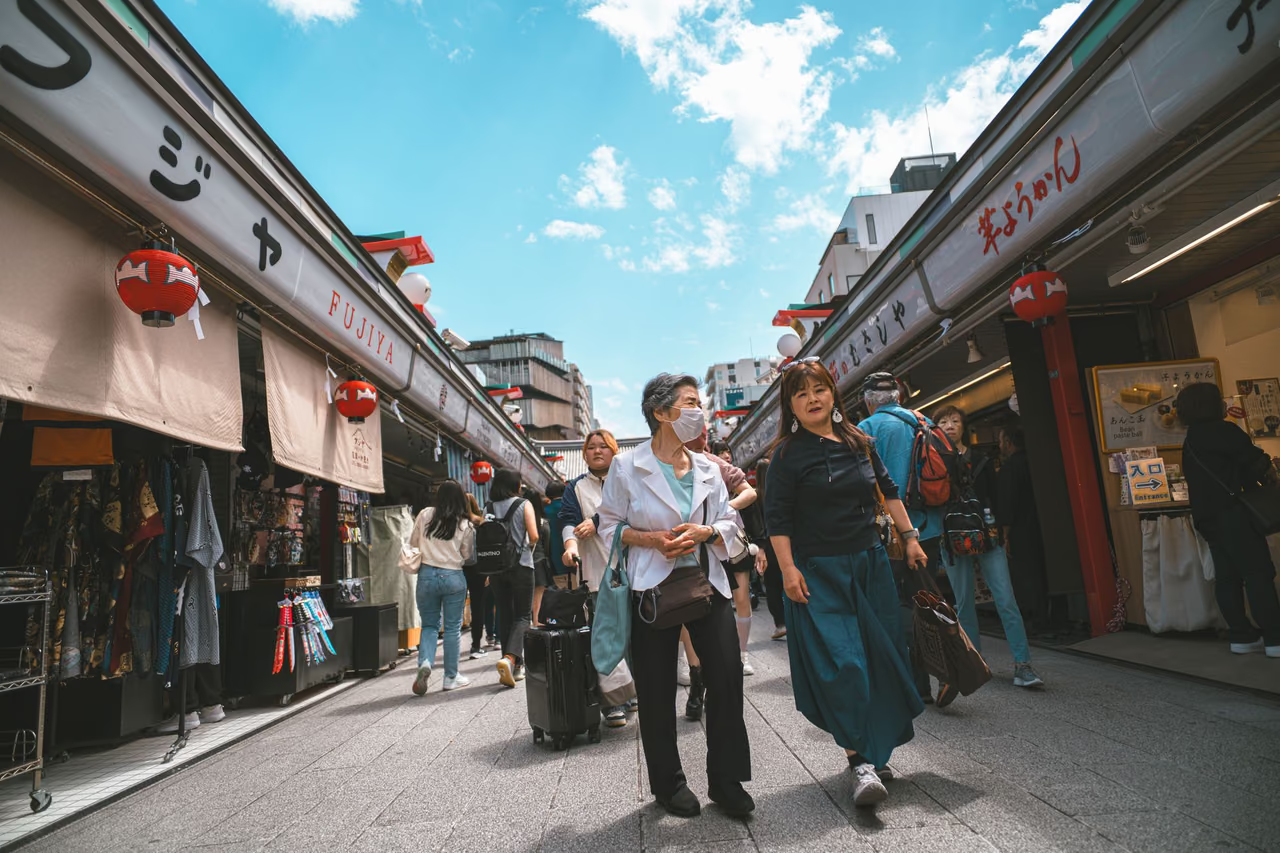
Starting with purchases on November 1, 2026, visitors to Japan will pay the tax-inclusive price at the register and get the consumption tax back when they leave the country. Through October 31, 2026, eligible visitors still buy at tax-exclusive prices, with the tax taken off at the time of purchase. Under the Japan Tourism Agency's refund method, a customs check at the airport or seaport comes first, and the refund comes afterward from the shop or its refund provider. Here's how Japan tax-free shopping will work, from the 5,000 yen minimum to the 90-day window, and why your purchases need to stay with you, not in checked bags, until the check is done.
What Changes on November 1
Under the new refund method, visitors buy tax-free goods at tax-inclusive prices at tax-free shops. The consumption tax is refunded later instead of being waived at the register. The agency's page says the refund is provided by each tax-free shop or by a refund service provider the shop uses, so contact the shop for details.
The Steps From Shop to Refund
- Buy eligible goods at a tax-free shop and pay the tax-inclusive price.
- When you leave Japan, present your passport at a tax-free procedure terminal for the customs inspection.
- Receive the refund from the shop or its refund service provider.
The terminals and inspection areas are in the international departure lobby before baggage check-in. A green result at the terminal means the procedure is complete, and a red result means you take the goods to the designated customs inspection area. At Narita, Haneda, Kansai, Chubu, Fukuoka, New Chitose and Naha, you can also complete the process online through Visit Japan Web, in the departure lobby areas with dedicated Wi-Fi before the security checkpoint.
Japan Tax-Free Shopping Limits and Rules
The minimum is 5,000 yen or more, excluding tax, per store per day. You present your passport within 90 days from the date of purchase, and the goods must be items you can personally carry out of Japan at departure. Gold and platinum bullion are excluded, as are items already exempt from consumption tax.
Each receipt is treated as a separate transaction. If even one item from a receipt is missing, none of the goods on that receipt qualify.
Special packaging for consumables is abolished from November 1. Food, beverages and cosmetics you consume in Japan aren't eligible, and if you've consumed goods before departure, you report it to a customs officer at the counter instead of completing the procedure.
Before You Head to the Airport
Keep every purchased item with you. The procedure can't be completed after you check in luggage, and checked luggage can't be retrieved for this purpose. The agency's page says that if you miss the inspection because of your own timing, it's treated as not completed, so build in time before boarding.
If you connect from a domestic flight to an international one, you do the procedure at the airport where you leave Japan. Neither the airline nor customs compensates you if you can't depart because you ran out of time for the tax-free procedure. Once your goods pass the inspection, export them without delay, or the agency says an amount equal to the exempted tax is collected and penalties apply.
Conclusion
If you're shopping in Japan on or after November 1, plan on paying the full tax-inclusive price at the register and clearing the customs check before you check your bags. Ask each shop how it pays the refund, since the shop or its provider handles it. Planning the flights to get there? Our guide to the best credit cards for flights to Japan covers transfer strategies for ANA and JAL, and our guide to booking award travel to Asia walks through the programs worth using.