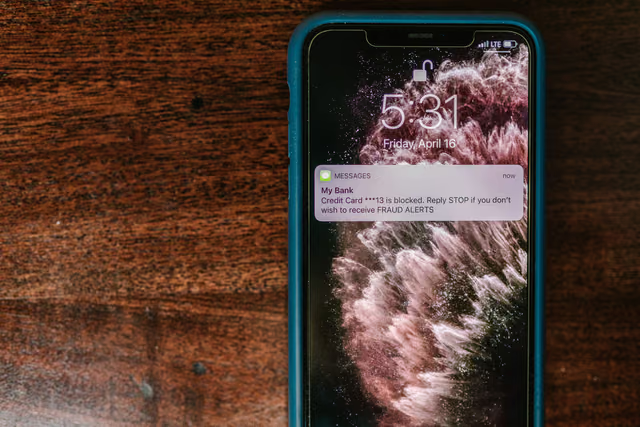




Downgrade a credit card when the annual fee no longer earns its keep but you want to keep the account's history and credit limit. Cancel it when you won't use it and your issuer has no lower-fee card to move to, or when the card tempts you to overspend.
The difference comes down to what stays on your credit report. Downgrading, also called a product change, moves the same account to a different card from the same issuer. Canceling closes the account.
What You Keep When You Downgrade
American Express says a product change to a card from the same issuer with a $0 or lower annual fee may let you keep your account history without paying for perks you no longer use. Keeping the account open also keeps its payment history and its credit limit.
That matters for two reasons. A longer account history supports your score, especially on older accounts. And the limit stays in your total available credit, which may help keep your credit utilization ratio low. Our credit utilization guide explains what scoring models actually measure.
A product change within the same issuer typically doesn't trigger a new application, though some issuers set their own rules, such as only allowing a move within the same card family or after the account has been open for a period of time. Ask yours before you plan around it.
What You Give Up
The new card usually has fewer benefits, so the points, credits or lounge access you valued may go away. Don't expect a new welcome offer on the card you move to, and redeem or transfer any points first if the new card doesn't earn them. For how Amex, Chase and other issuers handle the switch, see our guide on downgrading your credit card.
Timing also matters. Issuers set their own rules for what happens to an annual fee that has already posted, so ask for the current policy before you call.
What Happens When You Cancel
Closing a card removes its limit from your available credit. Amex notes that losing that credit could push your utilization higher, and that closing a fairly new card may have less impact on your history length than closing an older one.
Canceling can also forfeit unredeemed rewards, so check what happens to your points before you close. Our guide on what happens to rewards when you close a card covers that.
When Canceling Is the Better Call
Cancel when the card encourages spending you can't afford, or when you've already moved to a lower-fee option and still don't use it. Cancel too when the issuer has no card to downgrade to, and the fee is more than you'll get back in value.
Before you decide, call your issuer and ask what lower-fee cards you can move to and what happens to your annual fee. Then compare that answer with keeping the card as it is.
Updated October 17, 2026: downgrade or cancel.