
American Airlines just upgraded its economy class dining options, and it's not just about better snacks. For points enthusiasts flying coach, these changes could actually impact your strategy for maximizing value on domestic flights. Here's what you need to know about the new buy-on-board menu and how to make the most of it.
Key Points
- American Airlines introduced elevated snack boxes, fresh sandwiches, and upgraded cheese plates starting May 2026 across domestic and short-haul international routes.
- The new menu marks a strategic shift after years of cost-cutting, bringing AA closer to competitors like United and Alaska Airlines.
- Using the right credit card for onboard purchases can multiply your value, earning 2-4x miles per dollar on food that's actually worth buying.
What's Actually New on American Airlines Flights
American rolled out several additions to its Main Cabin buy-on-board menu this month. The changes aren't revolutionary, but they're noticeably better than what's been available.
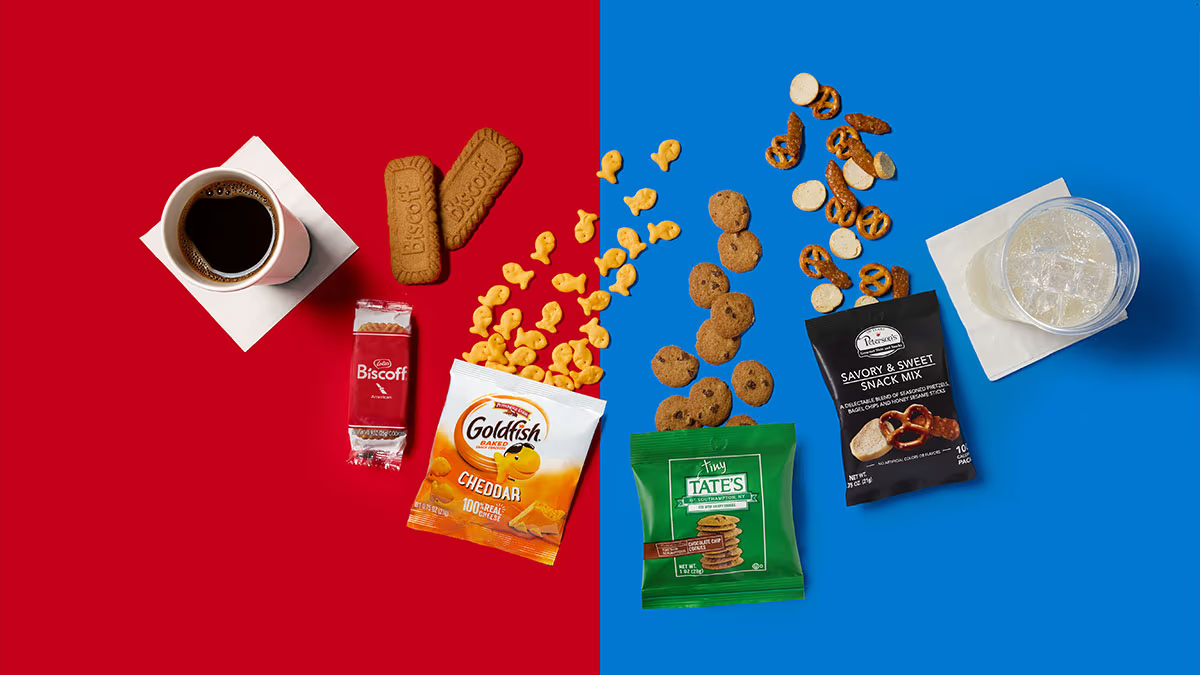
The new "Inflight Bites" snack box ($10) includes gochujang beef jerky, Wheat Thins, lemon rosemary green olives, a chocolate cherry granola bar, Oreo cookies, honey roasted cashews, and smoked Gouda cheese spread. It's packaged food, sure, but it's actually a decent variety for the price point.
Starting in June, you'll find a turkey and Havarti sandwich on avocado bread ($9-11, pricing varies by route) on select flights. This replaces the previous sandwich option that looked like it had been sitting in a convenience store refrigerator since 2019.
The upgraded cheese plate ($12-14) is probably the most interesting addition. It features Tillamook extra sharp cheddar, smoked black pepper cheddar, and blueberry artigiano cheeses, plus fresh fruit, dried apricots and figs, walnuts, gourmet crackers, Bonne Maman honey, and Toblerone chocolate. If you're settling in for a cross-country flight and want something that feels less like gas station food, this could be worth it.
They've also added kettle corn and premium mixed nuts to the snack cart for individual purchase.
How This Compares to United and Delta
Let's be honest: American has been trailing both United and Delta on economy class food for years. These updates help close the gap, but they don't quite bridge it entirely.
United currently offers hot food options like cheeseburgers and breakfast sandwiches on longer domestic flights, something American still doesn't match. Alaska Airlines has long been praised for its fresh food selections and complimentary snacks on flights over 350 miles.
Delta recently cut beverage service on hundreds of short flights while expanding it on longer routes. That's moving in the opposite direction from American, which is investing across the board in Main Cabin.
The key difference: American is focusing on better buy-on-board options rather than complimentary premium snacks. You're still paying, but at least what you're paying for has improved. If you're comparing the best credit cards for travel across different airlines, the onboard experience is just one factor to consider.
The Points Strategy: Which Card to Use for Onboard Purchases
Here's where it gets interesting for points enthusiasts. If you're going to spend $10-15 on food anyway, using the right card matters.
The Citi AAdvantage Platinum Select earns 2x AAdvantage miles on eligible American Airlines purchases, including onboard food and drinks. That means $12 on the new cheese plate nets you 24 AAdvantage miles, plus you're closer to qualifying spend for elite status if that's part of your strategy.
For frequent American flyers who value lounge access, the Citi AAdvantage Executive earns 4x miles on American purchases and includes Admirals Club membership. The higher annual fee ($450) makes sense if you're flying American regularly enough to justify it, and those 4x miles on inflight purchases add up faster.
The Barclays AAdvantage Aviator Red also earns 2x miles on American purchases and comes with no foreign transaction fees, useful on those short-haul international routes where the new menu is available.
If you don't have an American co-branded card, consider premium travel cards like the Amex Platinum, which earns 5x points on flights booked directly with airlines. Unfortunately, onboard purchases don't typically count as flight bookings, so you'd earn just 1x.
Your best bet for non-co-branded cards: the Chase Sapphire Reserve or Capital One Venture X, which earn 3x on general travel purchases. Inflight purchases code as travel, so you'll get the multiplier.
Is the Food Actually Worth Buying?
I've spent enough time in economy class to know that airplane food isn't going to change your life. But there's a difference between tolerating something and actually getting decent value.
At $10, the Inflight Bites snack box is reasonably priced compared to buying similar items at an airport Hudson News. The variety is solid, and nuts.com products (included in the box) are genuinely good quality.
The $12-14 cheese plate is harder to justify unless you're on a longer flight and want something more substantial. Compare it to what you'd spend on a similar board at an airport restaurant, and it's competitive. The Tillamook cheese is legitimate quality, not the plasticky stuff you might expect.
The turkey sandwich at $9-11 needs to prove itself once it launches in June. Avocado bread sounds trendy, but execution is everything with pre-made sandwiches.
Skip the individual snacks unless you're desperate. Paying $7-8 for kettle corn or mixed nuts when you could've grabbed the same thing at the airport for $4 isn't smart, points or no points.
What Routes Get the New Menu?
American is rolling out these options across domestic flights and short-haul international routes including Canada, the Caribbean, and Mexico. You won't find them on basic economy short-hops under 90 minutes, where snack service is minimal anyway.
Longer transcontinental flights and flights to Hawaii should have the full menu available. The cheese plate in particular seems positioned for these longer routes where passengers are more likely to want a substantial snack.
If you're flying internationally beyond the Americas, Main Cabin gets complimentary meals, so this buy-on-board menu doesn't apply.
The Bigger Picture: Is American Finally Investing in Economy?
For years, American seemed to view Main Cabin as something to tolerate rather than improve. The strategy was clear: cut costs in coach, upsell premium cabins, compete on schedule and network rather than experience.
That appears to be shifting. Over the past 12 months, American has improved coffee quality, expanded buy-on-board options, invested in premium cabins on new aircraft, and even hinted at bringing back seatback screens.
None of this makes American revolutionary. But it shows they're at least paying attention to what United and Delta have been doing for years: investing in the experience that 80% of passengers actually have.
For points enthusiasts who sometimes find themselves in economy whether by choice (saving points for a better redemption) or circumstance (no upgrade availability), these small improvements add up. Better food, better beverages, better amenities all make those long domestic flights more tolerable. If you're wondering why American Airlines AAdvantage miles are valuable, these quality-of-life improvements make the overall flying experience better, even when you're redeeming miles for economy seats.
When These Changes Matter Most
These menu upgrades make the biggest difference in specific situations:
Cross-country flights where you're facing 5-6 hours in the air and airport food options were limited. Having access to a decent cheese plate or fresh sandwich at cruising altitude beats hunger or regret over that $14 airport burrito.
Early morning departures when you skipped breakfast and the airline's complimentary service is just coffee and a stroopwafel. The new snack box or sandwich can actually serve as a meal replacement.
International short-haul routes to Mexico or the Caribbean where you might not get a full meal service but the flight is long enough that you want something substantial. If you're booking flights to the Caribbean using points, better onboard food makes the journey more enjoyable.
They matter less on short 90-minute hops where you weren't planning to eat anyway, or on routes where you have lounge access and can grab food before boarding.
What Still Needs to Improve
Let's not oversell this. American still lags behind competitors in several ways:
The lack of hot food options on domestic flights is glaring compared to United's offerings. A pre-made sandwich, even a good one, doesn't compete with a hot burger or breakfast sandwich.
Complimentary snack service on longer domestic flights would be the real differentiator. Alaska Airlines' free snacks on flights over 350 miles set a standard that American still doesn't meet.
The buy-on-board model itself feels dated when some competitors are moving back toward complimentary options, at least for longer flights.
Price consistency would help too. Charging different amounts for the same sandwich depending on route length creates confusion and frustration.
Maximizing Your American Airlines Experience Beyond Food
While improved food is welcome, the real value in flying American comes from strategic credit card use and maximizing AAdvantage miles. Here are a few quick tips:
Stack your earning: Book your American flight with the Citi AAdvantage Platinum Select to earn 2x miles on the ticket price, then use the same card for onboard purchases to continue earning 2x. Those miles add up across multiple trips.
Consider the Aviator cards: The Barclays Aviator Red often has generous sign-up bonuses and the annual fee is waived the first year. If you're planning several American flights, the bonus miles alone can justify getting the card.
Watch for credit card bonuses: Both Citi and Barclays regularly increase their AAdvantage card bonuses. If you're patient and strategic about when you apply, you can snag 60,000-75,000 miles instead of the standard 50,000-mile offer.
Think about status: If you're flying American frequently enough to consider elite status, those onboard purchases count toward your elite qualifying spend with certain cards. Every dollar matters when you're trying to hit spending thresholds.
FAQ
When does the new American Airlines food menu launch?
The Inflight Bites snack box and upgraded cheese plate are available now as of May 2026. The turkey and Havarti sandwich on avocado bread launches in June 2026.
Which American Airlines routes have the new food options?
The new menu is available on domestic flights within the US and short-haul international routes including Canada, the Caribbean, and Mexico. It's not available on basic economy short flights under 90 minutes or long-haul international routes that receive complimentary meals.
Do I earn AAdvantage miles on food purchases?
Yes, if you use a co-branded American Airlines credit card like the Citi AAdvantage Platinum Select or Barclays Aviator Red, you'll earn 2x miles on all American Airlines purchases including onboard food and beverages. The Citi AAdvantage Executive earns 4x miles on American purchases.
How does American's new food compare to United and Delta?
American's new options are improved but still trail United's hot food offerings and Alaska's complimentary premium snacks. Delta recently cut service on short flights, making American's investment more competitive on those routes. For more details, check out our comparison of the best United credit cards and best Delta credit cards to see how the overall value proposition stacks up.
Can I pre-order food on American Airlines?
American doesn't currently offer pre-ordering for Main Cabin buy-on-board items. You purchase during the flight when the cart comes through, and popular items can sell out on full flights.
Are the new food items available in first class?
No, these are Main Cabin buy-on-board options. First class and business class receive complimentary meals and snacks that are separate from this menu.
Conclusion
American Airlines' Main Cabin food upgrades won't revolutionize flying, but they show a welcome shift in strategy. After years of cutting costs and ignoring economy class, the airline is finally making investments that benefit the majority of passengers.
For points and miles enthusiasts, these changes create small opportunities to maximize value. Using an AAdvantage co-branded card on purchases you'd make anyway adds up, especially if you're flying American regularly. The improved quality means those purchases feel less like wasted money and more like reasonable inflight expenses.
The real test will be whether American continues this trajectory or treats these updates as a one-time initiative. For now, the new menu puts them closer to competitive with United and Delta on domestic flights, and that's progress worth acknowledging.
If you're building an American Airlines strategy, start by choosing the right travel credit card for your spending patterns, then look for opportunities to maximize earning on every purchase—including those $12 cheese plates at 35,000 feet.
This article contains affiliate links. If you apply through our links, we may earn a commission at no cost to you, which helps us continue sharing points and miles strategies with the community.