


Key Points:
- Spirit has processed most credit card refunds automatically, but Free Spirit points and vouchers face an uncertain future through bankruptcy court proceedings.
- Credit cards with trip protection benefits can provide reimbursement for non-refundable flights, though you'll need to file claims within 30-90 days depending on the issuer.
- This shutdown teaches crucial lessons about booking strategies, including spreading risk across multiple carriers and using credit cards with strong consumer protections for all airline purchases.
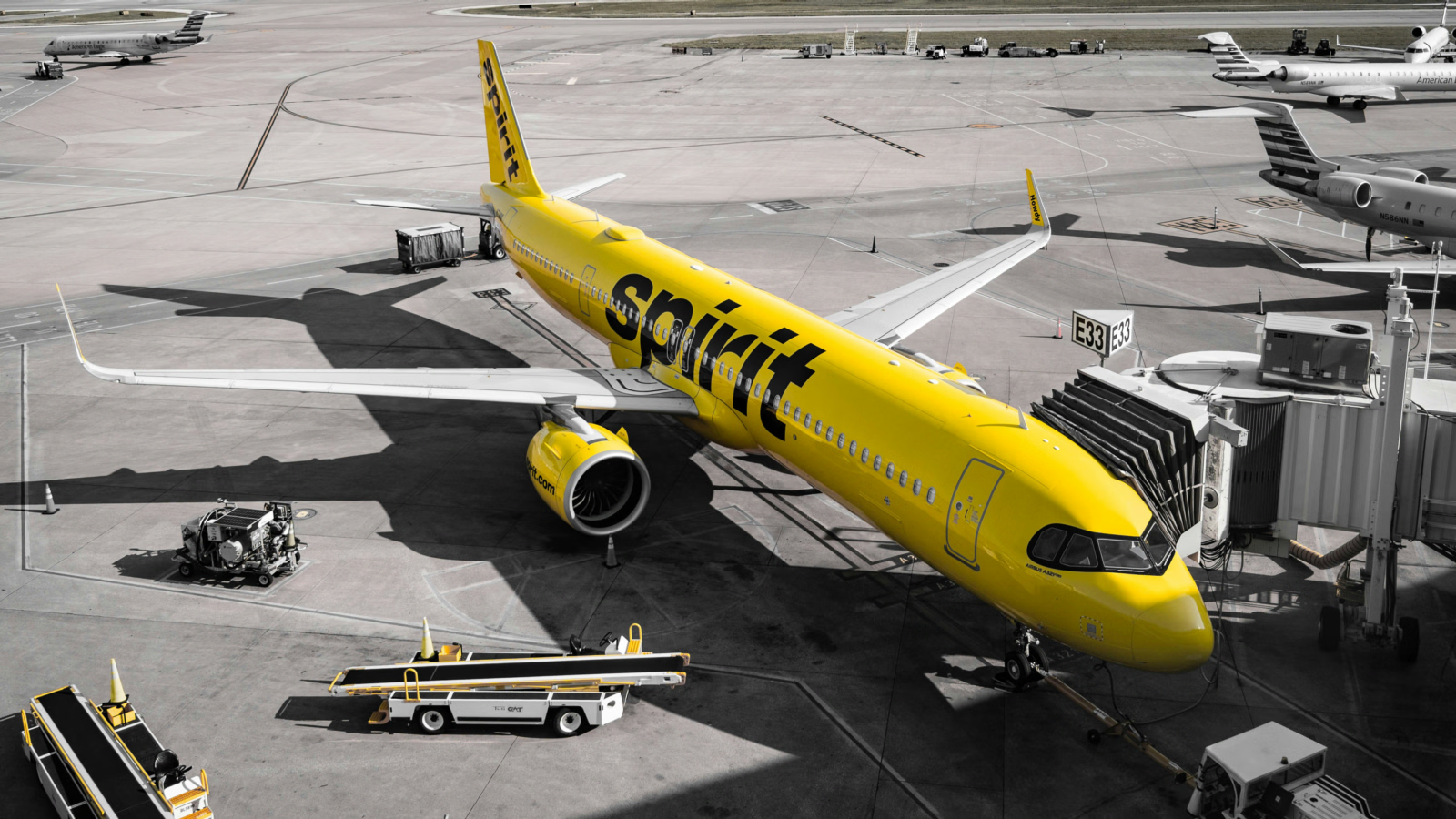
Spirit Airlines' sudden shutdown over the weekend left thousands of travelers scrambling and raised serious questions about the safety of airline loyalty programs. The budget carrier grounded all flights on May 3, 2026, marking the largest U.S. airline collapse in over a decade. If you're holding Spirit tickets, points, or vouchers, here's exactly what you need to do right now and how to protect yourself from similar situations in the future.
What's Happening with Spirit Refunds Right Now
Spirit confirmed Monday that it has automatically processed refunds for most passengers who booked flights using credit or debit cards. The airline stated these refunds were issued over the weekend, though it may take several business days for the money to appear in your account.
However, multiple travelers report they haven't received refunds yet. If you're still waiting after five business days, don't panic. Your credit card issuer is your strongest ally here.
Immediate action steps if you haven't received your refund:
Contact your credit card company within 60 days of the charge to dispute it. Most issuers will initiate a chargeback investigation and typically provide a provisional credit while they investigate. Document everything: save your booking confirmation, cancellation notice, and any communication from Spirit. Our guide on maximizing credit card purchase protection walks through the dispute process step-by-step.
Major issuers like Chase, American Express, and Capital One have dedicated teams handling Spirit-related disputes. When you call, specifically mention that the airline has ceased operations and failed to provide the purchased service.
The Reality Check on Points and Vouchers
Here's where things get significantly worse. Spirit's official guidance states that refunds for bookings made with Free Spirit points or vouchers will be "determined at a later date via the bankruptcy court process."
Translation: you're probably not getting those points or voucher value back.
In airline bankruptcies, unsecured creditors (which includes loyalty program members) typically receive pennies on the dollar, if anything. Free Spirit points had a redemption value of approximately 1.1 cents each before the shutdown, but their recovery value through bankruptcy will likely be zero. This is exactly why we recommend building a diversified points portfolio rather than concentrating everything in a single airline program.
If you earned Free Spirit points through the airline's cobranded credit card, contact the issuer immediately. Some credit card companies may offer goodwill adjustments or bonus points to offset losses, though this isn't guaranteed. Document your points balance before Spirit's website potentially goes offline permanently.
For vouchers from previous flight changes or cancellations, the outlook is equally grim. Vouchers are considered unsecured debt, placing you at the bottom of the creditor hierarchy. The bankruptcy court will prioritize secured creditors and employee wages long before addressing customer vouchers.
Credit Card Trip Protection: Your Safety Net
Many premium travel credit cards offer trip cancellation and interruption insurance that can reimburse you for non-refundable travel expenses when an airline ceases operations. This is exactly the scenario these benefits were designed for. Understanding how credit card travel insurance works can save you thousands when disruptions occur.
Cards with strong trip protection include:
Chase Sapphire Reserve: Covers up to $10,000 per trip for trip cancellation/interruption. You must file claims within 90 days of the incident. This benefit applies when you book your flight using points or pay with the card directly. Read our full Chase Sapphire Reserve review for complete benefit details.
The Platinum Card from American Express: Provides up to $10,000 per trip in trip cancellation and interruption coverage. Amex typically processes these claims efficiently, often within 2-3 weeks. The card also includes comprehensive travel protections that extend beyond just flight cancellations.
Capital One Venture X Rewards Credit Card: Offers trip cancellation and interruption insurance up to $2,000 per person. While lower than premium competitors, it still provides meaningful protection for budget carrier bookings, plus it earns transferable miles that aren't tied to any specific airline.
Citi Premier Card: Covers up to $2,500 per trip for cancellation and interruption. The 90-day filing window gives you reasonable time to gather documentation, and the card earns ThankYou Points that transfer to 15+ airline partners.
To file a claim, you'll typically need your original booking confirmation, proof of payment, the airline's shutdown announcement, and documentation showing you didn't receive a refund. Start gathering these documents now, even if you did receive a refund for your ticket, because you might need to claim other non-refundable expenses like hotels or car rentals.
Lessons for Future Airline Bookings
Spirit's collapse offers critical lessons for protecting your travel investments going forward. The budget airline had shown warning signs for months, including delayed financial reports and merger discussions that fell through, but many travelers overlooked these red flags.
Book financially troubled airlines strategically. If an airline is showing signs of financial distress (delayed SEC filings, credit rating downgrades, merger rumors), avoid booking more than 60 days in advance. This reduces your exposure window while still allowing you to capitalize on potentially lower fares.
Use credit cards for ALL airline purchases, never debit cards. Credit cards provide superior consumer protections through dispute rights and travel insurance benefits. Even if you're booking with points, pay taxes and fees with a credit card that offers trip protection. Check out our best credit cards for booking flights to find the right card for your travel style.
Diversify your loyalty program portfolio. Don't concentrate all your points in a single airline program, especially budget carriers with uncertain financial futures. Transfer points programs like Chase Ultimate Rewards, American Express Membership Rewards, and Capital One Miles give you flexibility to move points to healthier airline partners.
The Chase Sapphire Preferred Card currently offers 60,000 bonus points after spending $4,000 in the first three months, giving you transferable points that aren't tied to any single airline's fate. This type of flexibility becomes crucial when airline loyalty programs collapse. Learn more about why transferable points are superior to airline-specific miles.
Monitor airline financial health before booking award travel. Before transferring points to an airline program, check recent financial news, debt loads, and analyst ratings. Airlines in bankruptcy protection or posting consecutive quarterly losses carry higher risk.
What This Means for Other Budget Carriers
Spirit's shutdown sends ripples through the budget airline sector. Frontier Airlines, Spirit's closest competitor, now faces increased scrutiny about its own financial stability. While Frontier has stated it remains financially sound, travelers should apply the same protective strategies when booking any ultra-low-cost carrier.
The loss of Spirit will likely increase fares across many routes where the carrier provided competition. Markets like Fort Lauderdale, Las Vegas, and Orlando may see particularly sharp increases. JetBlue has already announced 11 new routes from Fort Lauderdale to fill the gap, but at higher price points than Spirit typically offered.
For points enthusiasts, this consolidation could actually create opportunities. As legacy carriers expand into former Spirit routes, they'll need to stimulate demand with promotions. Watch for transfer bonuses and increased award availability on routes where Spirit previously dominated.
Protecting Your Current Travel Plans
If you have upcoming travel plans originally booked on Spirit, you'll need to make alternative arrangements quickly. Several major carriers offered "rescue fares" over the weekend, capping prices for stranded Spirit passengers, though most of these promotions have now ended.
Your rebooking strategy should prioritize:
Airlines with strong financial positions like Delta, United, and Southwest. Check routes directly rather than through online travel agencies, as direct bookings often provide more flexibility for future changes.
Use flexible points currencies like Chase Ultimate Rewards or American Express Membership Rewards to book replacement travel. These programs offer better protection than airline-specific miles and provide easier rebooking options if plans change.
The Chase Sapphire Reserve offers 3x points on all travel purchases and comprehensive trip protection benefits, making it an excellent choice for rebooking Spirit flights while protecting against future disruptions. The card's Priority Pass membership also provides lounge access during extended delays.
If you're stranded away from home, document everything. Keep receipts for hotels, meals, and ground transportation. Credit card trip interruption insurance can reimburse these expenses, but you'll need thorough documentation to support your claim.
How to Check Airline Financial Health
Before booking your next flight, especially on budget carriers or for travel more than 60 days out, run a quick financial health check:
Search for the airline's recent SEC filings and quarterly earnings reports. Consecutive quarters of losses, declining cash reserves, or increasing debt loads signal potential trouble.
Check credit rating agency reports. Downgrades from firms like Moody's or S&P often precede operational problems. Spirit received multiple downgrades in the months before its shutdown.
Monitor industry news sources. Aviation trade publications often report on airline financial difficulties before mainstream media picks up the stories. Websites like aviation industry analysts and airline business reporters provide early warning signs.
Look for "going concern" warnings in financial statements. This accounting term indicates an airline's auditors have doubts about its ability to continue operating, which is the biggest red flag possible.
The Bottom Line on Spirit's Collapse
Spirit Airlines' shutdown demonstrates why diversification and protection matter as much in travel as in investment portfolios. While budget carriers offer attractive fares, the risk of sudden collapse creates real financial exposure for travelers, especially those holding points in airline-specific programs.
Moving forward, prioritize booking with credit cards that offer robust trip protection. The Capital One Venture X Rewards Credit Card provides excellent travel coverage along with transferable miles that aren't tied to any single airline's solvency. At $395 annually, it's competitively priced against other premium cards while delivering stronger travel protections than most mid-tier options.
Spread your loyalty across multiple programs, favoring transferable points currencies over airline-specific miles. Our beginner's guide to points and miles explains how to build a resilient rewards strategy from scratch.
If you're affected by Spirit's shutdown, file credit card disputes promptly and don't expect recovery of points or vouchers. Use this experience to build more resilient travel booking strategies that protect against the next airline failure, because in an industry with razor-thin margins, Spirit won't be the last carrier to fold.
This article contains affiliate links. If you apply through our links, we may earn a commission at no cost to you, which helps us continue sharing points and miles strategies with the community.