



Book Thanksgiving flights in October and Christmas flights from late October to mid-November. Google's October 2026 analysis found the lowest Thanksgiving fares 34 days before departure and the lowest Christmas fares 56 days before, using five years of Google Flights data. The rest of this guide turns those windows into a booking plan and settles when to pay cash and when to spend miles.
One caveat before any of the numbers: they're averages across many routes, not guarantees. Treat them as a planning anchor, not a promise.
What Google's 2026 Data Says
Google published its holiday analysis on October 5, 2026. It reports:
- Thanksgiving fares bottom out 34 days before departure, with a low-price range of 21 to 57 days. Google says the cheapest options tend to appear in October.
- Christmas fares bottom out 56 days before departure, with a low-price range of 33 to 67 days. That's five days earlier than last year, and Google puts the best deals between late October and mid-November.
- Nonstop tickets are 20% more expensive on average than connecting ones.
- A Monday departure with a Tuesday or Wednesday return saves about 14% over weekend flights.
The day you buy matters far less. Google found Wednesday was the cheapest day to book, saving about 1.4% compared to Sunday, so the day you fly moves the price more than the day you buy.
How to Use the Windows for Thanksgiving and Christmas 2026
Thanksgiving 2026
Thanksgiving 2026 falls on November 26, 2026. Google's low-price range for Thanksgiving is 21 to 57 days before departure, so October is your window.
Christmas 2026
Christmas Day 2026 falls on Friday, December 25, 2026. Google's low-price range for Christmas is 33 to 67 days before departure, which points to late October through mid-November.
What to Do Now
Holiday cash fares are running above last year's, so waiting for a late drop is a bigger gamble than usual.
- Set price alerts on your target Thanksgiving and Christmas routes in Google Flights. Knowing where fares have sat is what tells you whether the price you see is actually a deal.
- Decide cash vs. miles before you book, not during it. Once a fare drops, decision fatigue is real, and the wrong call costs either money or points. The math is below.
The Cash-vs-Miles Math for Holiday Domestic Travel
Holiday fares are precisely the case where most readers should think twice before burning miles. Domestic economy awards on peak dates often price high, while the same cash fare put on a flexible-points card earns points plus purchase protections.
A worked example with invented numbers:
- Say a nonstop Thanksgiving roundtrip from Chicago to Orlando lists at $420 cash, or 35,000 miles plus $11.20 in taxes.
- Redemption value: $408.80 in value for 35,000 miles equals 1.17 cents per mile.
- That's a weak return for miles you could save for a premium-cabin or partner redemption.
- Pay cash with a Chase Sapphire Preferred and that $420 roundtrip earns 840 Ultimate Rewards points at 2x on travel, plus trip delay and baggage protections that matter more during the holidays than at any other time of year.
- The Chase Sapphire Reserve ($795 annual fee) earns 4x on flights booked direct and 8x through Chase Travel, with trip cancellation reimbursement up to $10,000 per covered traveler and trip delay reimbursement after a delay of more than 6 hours.
- For travelers who do not want category tracking, the Capital One Venture X earns 2x on everything and 5x on flights booked through Capital One Travel.
The rule that comes out of this: pay cash for domestic holiday economy with a card that earns flexible points; save your miles for the redemptions where they earn 2+ cents per point. That generally means international business class, partner awards, or peak-domestic seats where cash fares have spiked above $600.
Two situations flip the math the other way:
- Peak-day domestic fares above roughly $500-$600. At those cash prices, even a 1.5 cent per mile redemption beats paying cash for most travelers. A 35,000-mile award on a $600 fare hits 1.7 cents per mile in value.
- Award space on transfer partners. If a Chase or Amex transfer partner has economy or premium-cabin space for a holiday week at standard award pricing, the points often work harder than cash. This is where tools like Seats.aero are useful, since it pulls award availability across dozens of programs in one search.
The Layover Discount: When It Is Actually Worth It
Google's 2026 analysis puts nonstop tickets about 20% above connecting ones on average. That gap is real, but the math has to include time and risk.
- Say a 20% discount on a $400 fare is $80. If the layovers add three hours each way, you're being paid roughly $13 an hour to wait.
- Holiday weather risk is the larger factor. Winter storms hit northern hubs like Chicago O'Hare, Denver, and Minneapolis harder, and a misconnect that costs you Thanksgiving dinner is worth more than $80.
- Routing through southern hubs (Atlanta, Dallas/Fort Worth, Houston, Charlotte) usually carries lower weather risk and is the safer place to take the layover discount.
A practical rule: take the layover discount on December 25 travel only if the connecting airport sits below the snow line.
Airline-Specific Notes for 2026 Holiday Booking
Two carriers worth flagging on award availability for 2026 holidays:
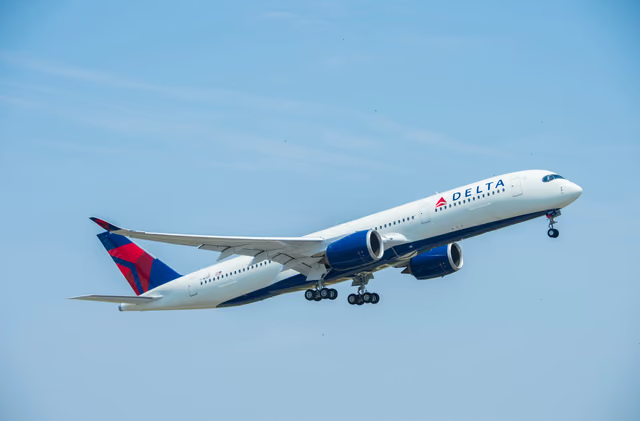
- Delta Air Lines. SkyMiles award pricing is dynamic, which means holiday awards are rarely a bargain. Delta is rarely the right miles play for holiday economy. It can still be the right cash-plus-Medallion-status play if you fly Delta enough to care about upgrades.
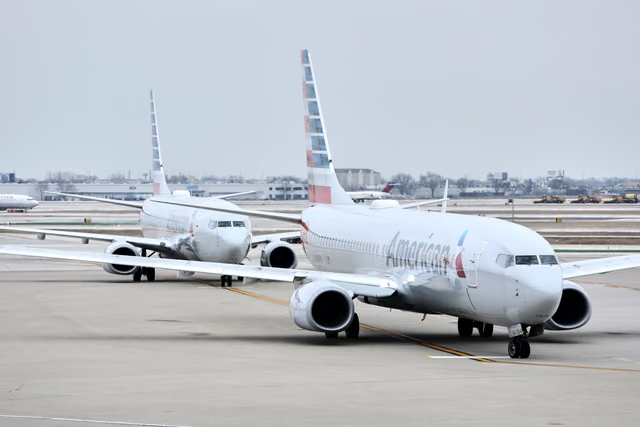
- American Airlines. Check AAdvantage award space more than once, since availability changes as departure gets closer, and look at Oneworld partners as well.
A Simple 2026 Holiday Booking Checklist
- Now: Set Google Flights price alerts on every route you haven't booked.
- October: Thanksgiving booking window. Book if fares are at or below your alert baseline.
- Late October to mid-November: Christmas booking window. Same logic.
- Two weeks before either holiday: Check award space once more for changes.
Google's windows are averages from five years of data, so use them as anchors, not commands. Compare them against the fare history you see on your own routes.
Updated October 17, 2026: booking windows.