
Back

FSA-Eligible Credit Card Benefits: The Complete Guide

Finance
December 8, 2025
The Points Party Team
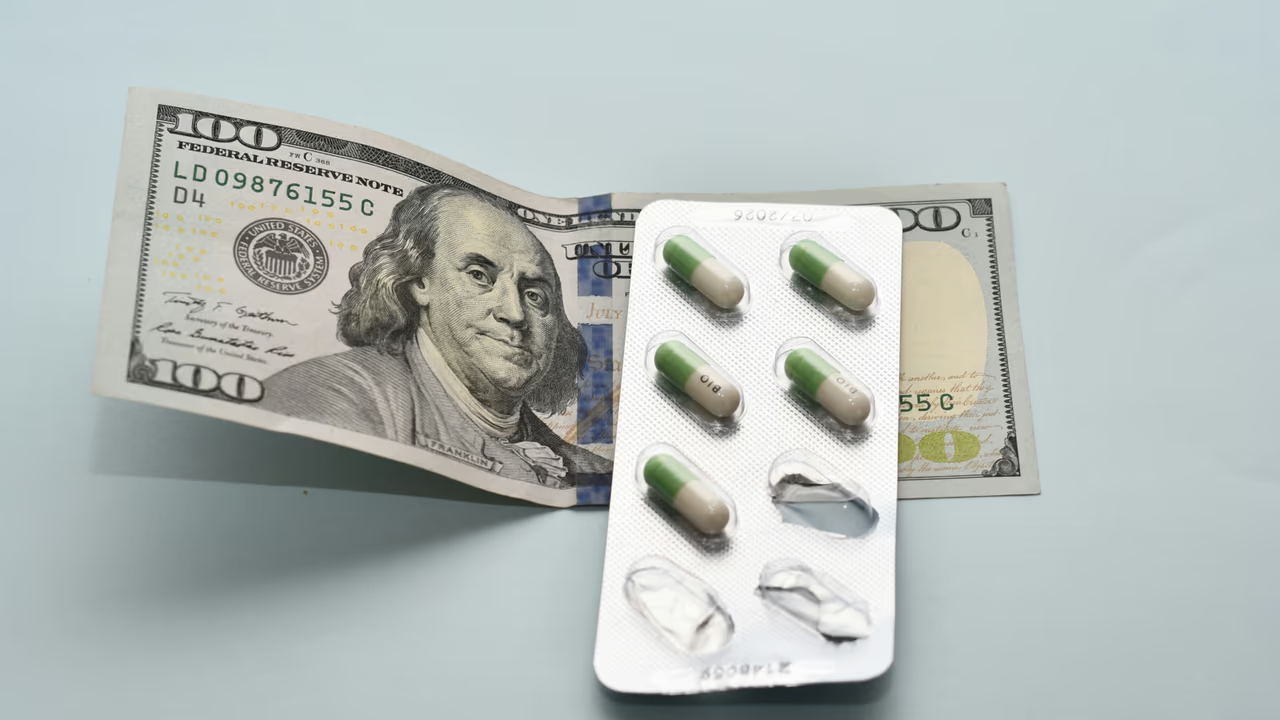
Prescription pills and cash representing FSA medical expenses
  • Credit cards with travel protections can reimburse FSA-ineligible expenses like trip cancellation and baggage delays.
  • Premium cards offering emergency medical coverage abroad work alongside your FSA to protect your healthcare dollars.
  • Using the right credit card for FSA purchases maximizes rewards while maintaining tax advantages on eligible expenses.

Introduction

Your Flexible Spending Account (FSA) helps you pay for medical expenses with pre-tax dollars, but did you know your credit card benefits can protect those FSA funds in ways you might not expect? While you can't use FSA money for things like trip cancellation or lost baggage, the right credit card fills these gaps seamlessly.

This guide shows you exactly which credit card benefits complement your FSA, how to maximize rewards on FSA-eligible purchases, and which cards offer the best protection for your healthcare spending. Whether you're paying for prescription eyeglasses or booking medical travel, you'll learn how to stretch every dollar further.

Understanding FSA Basics

A Flexible Spending Account lets you set aside pre-tax money for qualified medical expenses throughout the year. The IRS determines what qualifies, and the list is extensive but specific.

What Your FSA Covers

FSA funds pay for medical, dental, and vision expenses not covered by insurance. Common eligible expenses include:

  • Prescription medications and over-the-counter drugs (with a prescription)
  • Copays, deductibles, and coinsurance
  • Dental work including cleanings, fillings, and orthodontia
  • Vision care like eye exams, prescription glasses, and contact lenses
  • Medical equipment such as blood pressure monitors and diabetic supplies
  • First aid supplies and bandages
  • Physical therapy and chiropractic care

The Use-It-or-Lose-It Rule

Most FSAs require you to spend your allocated funds by the end of the plan year, though some employers offer a grace period or allow you to carry over up to $640 into the next year. This makes strategic spending crucial toward year-end.

How Credit Card Benefits Complement Your FSA

While FSAs cover direct medical expenses, credit cards with strong protection benefits fill critical gaps that FSAs can't address. Here's where your credit card becomes invaluable alongside your FSA.

Travel Medical Emergency Coverage

When you travel for medical care or need emergency treatment away from home, premium travel cards provide secondary medical coverage. The Chase Sapphire Reserve offers emergency medical and dental coverage up to $2,500 per trip when you use the card to pay for travel.

This works perfectly with your FSA: use FSA funds for planned medical expenses and routine care, while your credit card protects you from unexpected medical emergencies during travel. The card's benefits don't duplicate your FSA coverage but extend it to situations your FSA wasn't designed to handle.

Trip Cancellation for Medical Appointments

If you book travel to see a specialist or for medical treatment, trip cancellation benefits become essential. Cards like the Capital One Venture X provide trip cancellation and interruption insurance up to $10,000 per trip.

Your FSA pays for the medical appointment itself, but if you need to cancel the trip due to illness, your credit card reimburses non-refundable travel costs. This partnership protects both your healthcare dollars and your travel investment.

Lost Luggage Protection for Medical Supplies

Traveling with medical equipment or supplies? Baggage delay insurance matters more than you might think. The Platinum Card from American Express covers up to $500 for essentials if your bags are delayed more than six hours.

If your checked bag containing medical supplies goes missing, this benefit reimburses you for necessary replacements. Your FSA funds stay protected for their intended use while your card handles travel disruptions.

Best Credit Cards for FSA Purchases

Choosing the right card for FSA spending means balancing rewards earning with protective benefits. Here's how different cards serve specific FSA-related needs.

Premium Travel Cards for Medical Travel

If you travel for medical care or want comprehensive protection, premium travel cards deliver the most value. The Chase Sapphire Reserve earns 3 points per dollar on travel and dining, plus it provides emergency medical coverage, trip delay reimbursement, and baggage delay insurance.

For a medical trip costing $2,000 in airfare and hotels, you'd earn 6,000 Ultimate Rewards points worth at least $90 in travel value. The card also protects you with up to $2,500 in emergency medical coverage if something unexpected happens during your trip.

Cash Back Cards for Pharmacy and Medical Purchases

For straightforward FSA purchases at pharmacies and medical facilities, cash back cards maximize your return. The Citi Custom Cash Card earns 5% cash back on your top spending category each month, up to $500 in purchases.

If pharmacy purchases are your top category, you'd earn $25 back on $500 in FSA-eligible expenses. That's money back in your pocket while using pre-tax FSA funds for the actual expenses.

Cards with Broad Bonus Categories

The American Express Gold Card earns 4X points at U.S. supermarkets (up to $25,000 per year) where many people purchase FSA-eligible items like first aid supplies, over-the-counter medications (with prescription), and health products.

On $3,000 in annual supermarket FSA purchases, you'd earn 12,000 Membership Rewards points worth approximately $240 in value when transferred to travel partners. The flexibility of these points gives you options for future redemptions.

Maximizing Rewards on FSA-Eligible Expenses

Strategic card usage turns routine FSA spending into significant rewards without changing your healthcare expenses.

Category Bonus Strategy

Match your FSA purchases to card bonus categories for maximum earnings:

  • Pharmacy purchases: Use cards with drugstore bonuses like the Chase Freedom Unlimited earning 3% at drugstores
  • Dental and vision care: Deploy general spending cards earning 1.5-2% everywhere
  • Medical equipment: Time purchases for rotating 5% categories when applicable
  • Online FSA store purchases: Use cards with online shopping bonuses

Year-End FSA Spending Optimization

When December approaches and you need to spend remaining FSA funds, combine smart purchasing with bonus category timing. Stock up on FSA-eligible items at retailers offering the highest return on your credit cards.

For example, buying $600 in FSA-eligible items at a pharmacy with the Citi Custom Cash means earning $30 back (5% on up to $500, then 1% on the remaining $100). You're using pre-tax FSA dollars and earning rewards simultaneously.

Protection Benefits That Extend FSA Value

Beyond earning rewards, certain credit card protections specifically benefit FSA users in ways that preserve your healthcare dollars.

Purchase Protection for Medical Equipment

Cards with purchase protection coverage safeguard expensive medical equipment purchases. The Capital One Venture X and many premium cards offer purchase protection against damage or theft for 90-120 days.

If you buy a $800 TENS unit or blood pressure monitoring system with FSA funds charged to a protected card, you have recourse if it's damaged or stolen. This protection effectively extends the value of your FSA spending.

Extended Warranty on Durable Medical Equipment

Some cards add an extra year of warranty coverage on eligible purchases. For durable medical equipment like CPAP machines or high-end blood glucose monitors, this extended protection preserves your FSA investment longer.

Return Protection

Cards offering return protection become valuable when FSA-eligible purchases don't meet your needs. If you buy prescription glasses with FSA funds but they're not quite right and the retailer won't accept returns, your card's return protection may reimburse you up to $300 per item.

Common FSA and Credit Card Combinations

Real-world scenarios show how pairing FSA funds with the right credit cards creates optimal outcomes.

Scenario 1: Annual Vision Care

Sarah needs new prescription glasses costing $450. She uses her FSA debit card linked to her Chase Sapphire Preferred for the purchase at an optical shop categorized as healthcare. While the purchase uses pre-tax FSA dollars, any rewards earned go to her personal account.

The FSA covers the expense with tax-advantaged dollars (saving roughly 30% in taxes), and if she travels for her eye appointment, her card provides trip protections.

Scenario 2: Medical Travel

John travels 500 miles to see a specialist. He books his flights ($400) and hotel ($300) with his Chase Sapphire Reserve, earning 2,100 Ultimate Rewards points. His $150 specialist copay comes from his FSA.

When his return flight is delayed by eight hours, Chase's trip delay reimbursement covers his $200 in meal and hotel expenses. His FSA paid for medical care, his credit card earned him points and protected his trip.

Scenario 3: Year-End FSA Spending

Maria has $800 left in her FSA in mid-December. She strategically purchases FSA-eligible items with her Citi Custom Cash Card at her local pharmacy during a month when pharmacy is her top category, earning 5% back on $500 (the monthly cap) and 1% on the remaining $300.

She stocks up on first aid supplies, prescription sunglasses, and over-the-counter medications (with prescriptions). Her pre-tax FSA dollars went to qualified expenses, and she earned $28 in cash back rewards.

What Your FSA Cannot Cover But Your Credit Card Can

Understanding this distinction helps you use each tool for its intended purpose while maximizing overall value.

FSA Cannot Cover

  • Travel insurance and trip cancellation
  • Lost baggage or delayed luggage expenses
  • General travel expenses to medical appointments
  • Non-medical portions of medical travel
  • Replacement costs for damaged medical equipment beyond initial purchase

Your Credit Card Handles

  • Trip cancellation reimbursement when medical issues arise
  • Baggage delay coverage for medical supplies
  • Emergency medical expenses during travel (secondary coverage)
  • Purchase protection for medical equipment
  • Extended warranty on durable medical items

Mistakes to Avoid

Common errors can cost you money or cause FSA complications. Here's what to watch for.

Using Non-Eligible Cards for FSA Administrator Fees

Some FSA administrators charge monthly fees or per-transaction fees. These aren't FSA-eligible expenses, but they're often automatically charged to your FSA debit card. Track these and request reimbursement if incorrectly charged against your FSA balance.

Mixing Personal and FSA Purchases

If you're buying both FSA-eligible and non-eligible items in the same transaction, use your regular credit card for the entire purchase and submit proper documentation to your FSA for reimbursement of qualified expenses only. This keeps your records clean and maximizes credit card rewards on the full amount.

Forgetting About Purchase Protection Timing

Purchase protection typically lasts 90-120 days. For expensive medical equipment, file any claims within this window. After that, you're relying solely on manufacturer warranties.

Not Coordinating Travel Insurance

If you're traveling for medical care, book all travel on a card with trip cancellation benefits. Splitting bookings across multiple cards can complicate insurance claims if you need to cancel.

Cards to Consider Based on Your FSA Spending Patterns

Your ideal card depends on how you primarily use your FSA funds.

Heavy Pharmacy Users

If most FSA spending happens at pharmacies, the Chase Freedom Unlimited earning 3% at drugstores delivers consistent value. For $3,000 in annual pharmacy FSA purchases, that's $90 back every year.

Alternatively, the Citi Custom Cash gives you 5% back (up to $500 monthly) if pharmacy is your top spending category that month.

Medical Travelers

Regular medical travel demands comprehensive protection. The Chase Sapphire Reserve combines 3X earning on travel with trip cancellation coverage, baggage delay insurance, and emergency medical coverage up to $2,500 per trip.

The $550 annual fee pays for itself if you're making multiple medical trips annually, especially when you factor in the $300 annual travel credit and Priority Pass lounge access during long travel days for medical appointments.

Online FSA Store Shoppers

Many people fulfill year-end FSA spending through online FSA stores. The American Express Gold Card occasionally has elevated offers for online purchases, and pairing it with Amex Offers can add additional cash back on top of your 4X points at supermarkets when they carry FSA-eligible items.

Balanced FSA Spenders

If your FSA spending spreads across multiple categories, a flat-rate card simplifies everything. The Citi Double Cash Card earns 2% on all purchases (1% when you buy, 1% as you pay), providing consistent returns regardless of where you spend your FSA funds.

Advanced Strategies for FSA and Credit Card Optimization

Once you've mastered the basics, these advanced tactics squeeze even more value from the FSA-credit card combination.

Shopping Portal Stacking

When purchasing FSA-eligible items online, go through a shopping portal first. If you're buying prescription eyeglasses online, check if the retailer appears in shopping portals like the Chase Ultimate Rewards portal or Rakuten.

You'd earn portal cash back or points, credit card rewards, and use pre-tax FSA dollars. On a $400 glasses purchase with 5% portal rewards and 2X card earning, you'd get $20 from the portal plus 800 points from your card.

Authorized User Strategy

If you have family members with FSA accounts, consider making them authorized users on cards with strong earning rates in medical spending categories. They benefit from your card's rewards program while you earn points on their FSA-eligible purchases.

This works particularly well for adult children still on a parent's health insurance with their own FSA access. Learn more about authorized user strategies for family travel rewards.

Timing Large Medical Purchases

If you know you'll have a large medical expense like LASIK or dental work, time it with a new card application for a welcome bonus. A $5,000 LASIK procedure paid with FSA funds on a new Chase Sapphire Preferred gets you 5,000 points toward the welcome bonus requirement while using pre-tax dollars for the procedure itself.

Combining FSA with HSA

Some people have access to both an FSA and an HSA (Health Savings Account). The strategy differs slightly because HSAs have different rules, but using a rewards credit card for large medical purchases before reimbursing yourself from your HSA preserves those tax-advantaged funds for future growth while earning current rewards.

Frequently Asked Questions

Can I use credit card rewards to pay for FSA-eligible expenses?

Yes, some credit cards allow you to redeem rewards as statement credits against any purchase, including FSA-eligible expenses. However, you won't receive the tax benefit of FSA dollars if you pay with credit card rewards instead of FSA funds. The optimal strategy is to use FSA funds for eligible expenses and save credit card rewards for non-FSA expenses or travel.

Do I lose credit card purchase protection if I use FSA funds?

No, purchase protection, extended warranty, and return protection apply regardless of whether you used FSA funds or regular funds, as long as you charged the purchase to your credit card. The FSA reimbursement happens separately and doesn't affect the credit card's protection benefits.

Should I use my FSA debit card or pay with a credit card and get reimbursed?

Paying with a credit card and submitting receipts for FSA reimbursement gives you more flexibility and allows you to earn rewards. However, this requires you to have cash available upfront and manage the reimbursement process. FSA debit cards offer convenience but may limit your rewards earning depending on the card's benefits. Many people use credit cards for larger, planned expenses and FSA debit cards for small, immediate needs.

Can I earn credit card signup bonuses on FSA spending?

Absolutely. FSA spending counts toward minimum spending requirements for credit card welcome bonuses. If you have predictable FSA expenses, time your credit card applications accordingly. A $3,000 orthodontia payment can help you meet the spending threshold for current credit card signup bonuses while using pre-tax dollars for the actual medical expense.

What happens if my credit card claim is denied but I already used FSA funds?

Your FSA payment and credit card benefits operate independently. If you used FSA funds for a medical purchase and later file a credit card claim (say, for purchase protection), a denied claim doesn't affect your FSA reimbursement. However, if your credit card claim is approved and you receive money back, that doesn't mean you can reclaim the FSA funds you used. The two benefit systems work in parallel but don't double-compensate.

Conclusion

Your FSA and credit card benefits work best as a team, not competitors. FSA funds handle qualified medical expenses with valuable tax savings, while credit card benefits protect those expenses and the travel associated with medical care. The right credit card adds rewards on top of your FSA's tax advantages without complicating your healthcare spending.

Start by identifying where most of your FSA dollars go: pharmacy purchases, vision care, dental work, or medical travel. Then match those spending patterns with cards offering the strongest rewards in those categories and the protection benefits you're most likely to use. If you travel for medical care, prioritize comprehensive trip protections. If your FSA spending stays local, focus on maximizing rewards at pharmacies and medical providers.

The combination strategy is simple: use FSA funds for qualified medical expenses, use credit cards to earn rewards on those purchases, and rely on credit card protections to safeguard both your healthcare dollars and medical travel. Review your FSA spending annually and adjust your credit card lineup to match your evolving healthcare needs. For more strategies on maximizing your credit card benefits, check out our guide to the best travel credit cards for your specific needs.

This article contains affiliate links. If you apply through our links, we may earn a commission at no cost to you, which helps us continue sharing points and miles strategies with the community.

No items found.
Tags: 
Finance